Interior Selective Demolition in New York, NY
Interior selective demolition in New York City stands for a thoughtful strategy to metropolitan improvement. This method prioritizes the conservation of initial building aspects while enabling modern-day updates. With a focus on sustainability, it lessens waste and advertises recycling. Initiating such a project requires cautious planning and consideration. What are the vital factors that must be resolved to assure an effective outcome?
Recognizing Selective Demolition
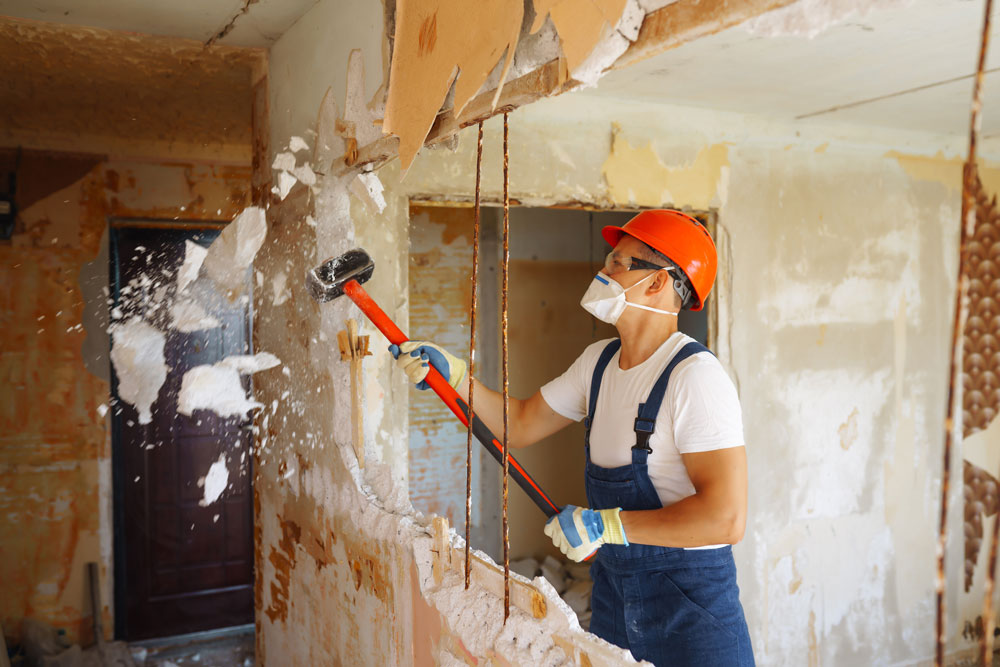
While many might connect demolition with total devastation, selective demolition concentrates on the mindful removal of details building elements to promote renovation or repurposing. This approach enables the preservation of important functions, such as structural parts or historic artifacts, which can be important to a structure's honesty and character. Selective demolition includes a methodical approach, usually beginning with detailed analyses to identify which aspects can be restored and which require to be gotten rid of.
Advantages of Interior Selective Demolition
Interior selective demolition offers substantial advantages, mainly via green waste management and cost-efficient renovation choices. By concentrating on certain areas for demolition, this technique minimizes landfill waste and promotes the recycling of materials. Furthermore, it allows residential or commercial property proprietors to accomplish their renovation objectives without sustaining excessive expenditures.
Eco-friendly Waste Management
Eco-friendly waste management is a significant advantage of indoor selective demolition, as this technique permits the cautious elimination and recycling of materials. Unlike standard demolition, which commonly brings about extreme waste in landfills, selective demolition concentrates on recovering reusable aspects, such as fixtures, flooring, and architectural components. This approach not just minimizes ecological impact but also preserves natural deposits. By focusing on recycling and repurposing, indoor selective demolition sustains sustainability efforts and encourages accountable waste disposal methods. Furthermore, it minimizes the carbon footprint connected with brand-new product manufacturing and transportation. As a result, home owners and companies can add to a greener future while embarking on renovation jobs, making green waste management a compelling reason to choose this technique.
Affordable Restoration Options
By choosing selective demolition, homeowner can access a variety of cost-effective renovation options that are commonly neglected in typical methods. This method enables for targeted removal of certain elements, preserving valuable structures and minimizing unnecessary expenditures. By salvaging products such as components, floor covering, and cabinetry, homeowner can especially reduce renovation prices while promoting sustainability. Additionally, selective demolition decreases waste, bring about financial savings on disposal costs and linked labor costs - legendary demolition new york. The method also allows quicker task timelines, as it concentrates on crucial areas instead of whole rooms. Inevitably, this method helps property owners achieve their remodelling objectives while taking full advantage of budget plan effectiveness and minimizing interruption, making it a smart choice for any remodelling task in New York
Trick Considerations Before Beginning a Project
What factors should be taken into consideration before commencing on an interior selective demolition project in New York? First, it is vital to examine the structural honesty of the building. Comprehending which wall surfaces or components can be eliminated without jeopardizing safety and security is important. Furthermore, one need to consider the local regulations and permits needed for demolition work, as New York has stringent standards to assure security and conformity.
Another vital facet is the analysis of unsafe materials, such as asbestos or lead paint, which may require specific handling and disposal. Budget plan restraints play a substantial duty also, affecting both the scope of the job and the selection of specialists. Ultimately, the timeline has to be developed, factoring in possible disruptions to adjacent spaces and the general task duration. By dealing with these factors to consider, project stakeholders can decrease threats and assure a smoother demolition procedure.
The Process of Selective Demolition
The procedure of selective demolition begins with thorough preparation and analysis to determine which products and structures require elimination. This phase is necessary for ensuring safety and security and performance throughout the project - demolition contractor near new york. Adhering to the evaluation, risk-free removal strategies are employed to minimize interruption and secure the surrounding setting
Planning and Evaluation
Effective preparation and analysis are essential steps in the procedure of selective demolition, especially in a complicated urban atmosphere like New York. A thorough analysis demolition contractor new york of the site is essential to identify structural elements, hazardous materials, and historic significance. This assessment educates the range of job, seeing to it that only targeted areas are knocked down while protecting the integrity of surrounding frameworks. Collaboration with engineers, engineers, and governing bodies is necessary to establish a comprehensive plan that complies with security standards and neighborhood guidelines. In addition, timelines and budgets have to be carefully described to reduce disturbances and assurance reliable implementation. By focusing on in-depth preparation and evaluation, job stakeholders can successfully navigate the difficulties of selective demolition in a largely populated city.
Safe Elimination Techniques
Utilizing safe removal methods is important for successful selective demolition, especially in metropolitan settings like New York. These techniques include careful preparation and making use of ideal tools and devices to minimize risks. Workers commonly use techniques such as hand demolition, where hand-operated tools are made use of to take apart structures slowly, ensuring that bordering areas continue to be undisturbed. Furthermore, the implementation of protective obstacles and dirt control actions is important to secure both employees and neighboring homeowners. Appropriate waste disposal and reusing techniques are additionally stressed to reduce ecological influence. Training and adherence to safety procedures better enhance the efficiency of these techniques, making certain that selective demolition projects are carried out effectively and without occurrence.
Security Actions in Selective Demolition
Safety and security in selective demolition is essential, assuring the protection of workers, onlookers, and the surrounding environment. Efficient safety and security measures begin with extensive danger assessments, recognizing possible hazards such as architectural instability, hazardous materials, and noise. Employees must be adequately trained in safety methods and furnished with individual protective gear, consisting of helmets, gloves, and breathing protection.
The implementation of site obstacles can assist limit unapproved access, safeguarding bystanders from potential risks. Furthermore, correct waste disposal procedures are necessary to stop ecological contamination. Normal safety audits and assessments should be conducted to guarantee compliance with security regulations and identify any needed enhancements.
Instance Studies: Effective Selective Demolition Tasks in NYC
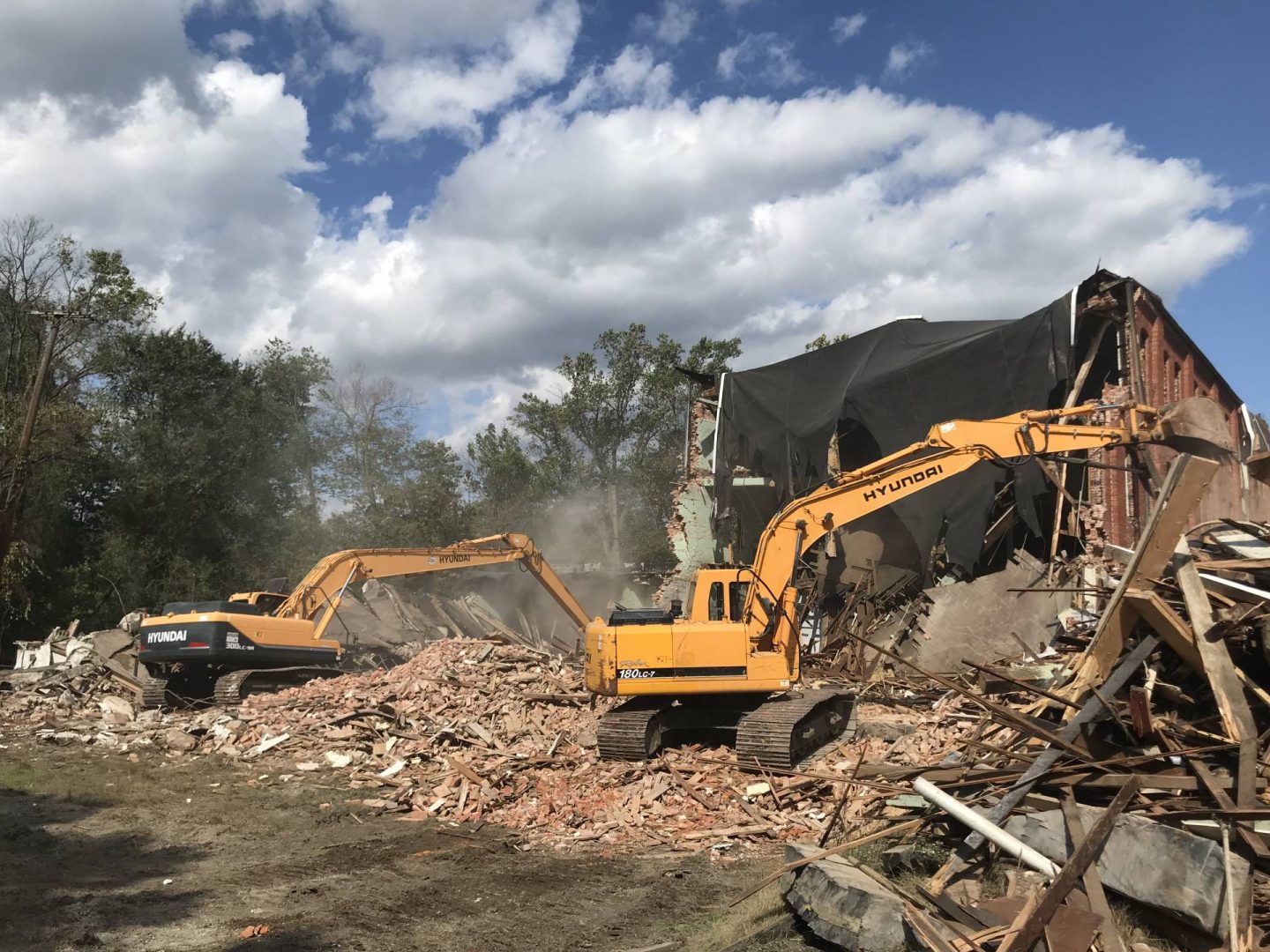
Selective demolition in New York City has attained remarkable success via various cutting-edge projects that highlight the relevance of cautious preparation and implementation. One such project included the remodelling of a historical structure in the Bowery, where indoor wall surfaces were selectively gotten rid of to create open rooms while preserving initial building aspects - legendary demolition new york. This approach not only kept the building's historic honesty yet also updated its performance
One more case research featured the conversion of an old storehouse in Brooklyn into deluxe homes. Selective demolition permitted for the removal of non-structural elements, maximizing natural light and boosting living areas. The job exhibited just how thoughtful demolition methods can lead to lasting redevelopment.
A Midtown office restoration showcased the efficient use of selective demolition to update obsolete centers while lessening waste. These instances show that tactical preparation and execution in selective demolition can generate successful outcomes, enhancing both visual appeals and capability in city environments.
Regularly Asked Concerns
Just How Much Does Interior Selective Demolition Normally Price in NYC?
Generally, indoor selective demolition prices vary from $3 to $10 per square foot, depending on variables like task dimension, intricacy, and products included. Variations might take place based upon service provider experience and local market conditions.

What Permits Are Needed for Selective Demolition in New York?
Licenses for selective demolition generally include a demolition authorization, ecological assessment approvals, and possible notice to surrounding residential properties. Particular needs may differ based upon the structure's age, place, and neighborhood guidelines controling building and construction activities.
How much time Does a Discerning Demolition Job Usually Take?
A careful demolition job commonly takes one to three weeks, relying on the job's dimension and complexity. Factors such as website conditions, required permits, and coordination with other service providers can influence the timeline significantly.
Can I Stay In My Home During Selective Demolition?
Staying in a home during selective demolition can be practical, relying on the degree of the job and security preventative measures. Citizens need to anticipate noise, dirt, and potential interruptions, necessitating mindful factor to consider and planning.
What Happens to the Debris After Selective Demolition Is Finished?
After selective demolition is finished, the particles is commonly sorted for recycling and disposal. Salvageable materials may be reused, while non-recyclable waste is transported to garbage dumps, guaranteeing accountable monitoring of building waste.
While many may link demolition with full devastation, selective demolition focuses on the mindful removal of particular structure aspects to help with improvement or repurposing. Unlike standard demolition, which commonly leads to extreme waste in landfills, selective demolition focuses on restoring multiple-use elements, such as components, flooring, and architectural parts. What elements should be taken right into account before commencing on an interior selective demolition project in New York? Licenses for selective demolition usually consist of a demolition license, environmental evaluation approvals, and possible notice to bordering residential or commercial properties. A selective demolition task usually takes one to 3 weeks, depending on the job's size and complexity.
Comments on “Inside Look At Professional Demolition Services New York NY Workflows”